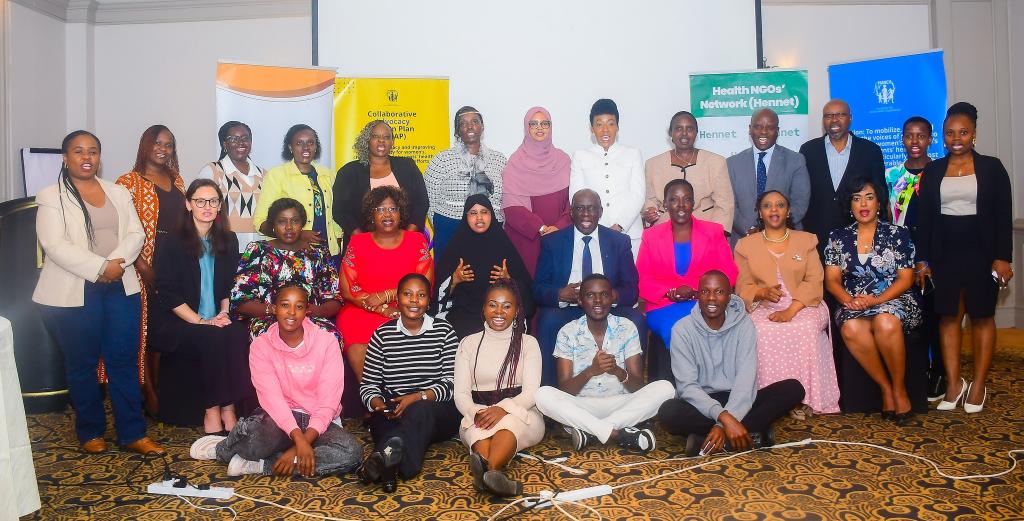
Members of Parliament, top medical specialists and health sector organisations have issued a stark warning over the deteriorating state of maternal healthcare in Kenya’s counties.
They cited drug shortages, collapsing facilities and chronic mismanagement that they say are costing mothers and newborns their lives.
Speaking at a Nairobi forum titled “Legislating to Save Lives: Strengthening the Legal Framework for Maternal, Newborn and Child Health in Kenya” convened by the Health NGOs Network (HENNET), the leaders described widespread neglect in devolved health units and rising deaths from preventable complications.
Samburu Woman Representative Pauline Lenguris said county hospitals are severely understaffed and ill-equipped, lacking even basic supplies such as gloves, essential medicines and blood.
She added that poor roads further hinder emergency referrals.
“There are no drugs. You can even miss gloves in county hospitals right now. We are really in a mess,” she said.
Lenguris argued that maternal care was more dependable before devolution, accusing governors of prioritising construction projects over essential services.
“You enter these hospitals and find nothing,” she said.
She described facilities run by a single health worker who performs multiple roles, leading to closures when the staff member is absent.
Lenguris also criticised the appointment of non-technical leaders in the national health docket, saying political patronage worsens outcomes.
“The health docket should be given to professionals,” she said, adding that some counties spend health funds on cows and cameras instead of drugs and personnel.
Naivasha MP Jane Kihara said devolution had weakened maternal services in remote areas once supported through the CDF.
She called for a unified forum bringing together Parliament, county executives and health experts to fully assess the funding gaps.
Kenya Obstetrical and Gynaecological Society (KOGS) president Dr. Kireki Omanwa issued an unvarnished assessment of the situation, identifying preeclampsia, postpartum hemorrhage and sepsis as the top killers of mothers.
He said the conditions are treatable with basic medication costing as little as Sh100, yet the drugs are missing in most county hospitals.
“What best can we do? Then we tell patients to go and buy the medicine. How many can afford it?” he asked.
Dr. Omanwa described maternity wards so overcrowded that women give birth in undignified conditions.
He said many mothers arrive severely anemic, yet blood supplies are often limited to a single unit.
He added that newborns needing surfactant die because the drug is unavailable even in referral hospitals.
He further highlighted that Pumwani Maternity Hospital lacks an ICU, forcing theatre delays when a mother fails to wake after surgery.
Nominated Senator Mariam Omar, vice chair of the Senate Health Committee, said recent oversight visits to Level 3 hospitals revealed alarming gaps, including unsterilized delivery instruments and poor supervision.
She said her committee is documenting cases and pushing governors for immediate interventions.
“The situation is dire,” she said, urging comprehensive reforms across all levels of maternal care.































Comments
Sign in with Google to comment, reply, and like comments.
Continue with Google